
People
The cooks changing what British BBQ looks like
Away from the competitions and the social feeds, a new generation of British cooks is rebuilding BBQ in its own image.
Ben Forte
A Basque cheesecake, a kettle BBQ and three weekends of trial and mostly error. The answer surprised us.
By Ben Forte
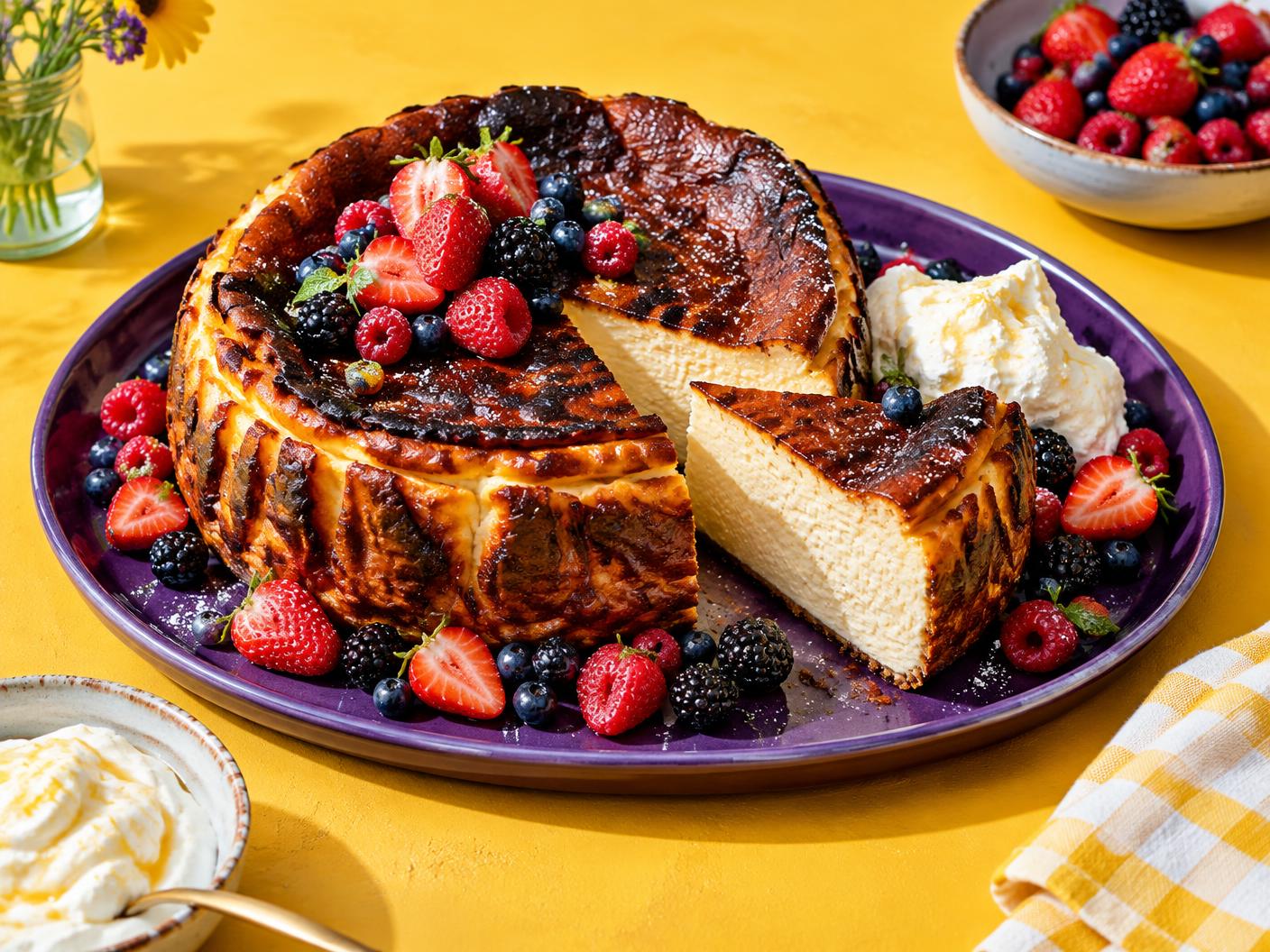
Dessert on a BBQ sounds like a party trick. But the logic is sound: a charcoal kettle holds a steady low temperature, and a Basque cheesecake is basically designed to be blasted with heat. So we tried it. Three times.
The theory: set the coals for indirect heat at around 180°C, run the cheesecake in a tin on the cool side, close the lid, and wait. The reality: the top caught beautifully — and then kept going. Black is a flavour in the Basque country. This was not that black.
Lesson one: measure the temperature at grate level, not the lid thermometer. The dome runs cooler than where the tin sits.
Fewer coals, a water pan under the tin, and the cheesecake rotated halfway through. The top came out the colour of dark treacle — properly burnt-tasting, with a centre that still wobbled like a good one should.
The smoke mattered more than expected. A small chunk of mild wood gave the top a subtle savoury edge that made the burnt sugar taste deliberate rather than accidental.
Full-fat cream cheese, eggs at room temperature, sugar slightly reduced because the smoke adds its own complexity. 175°C indirect, 50 minutes, rotate at 25, rest in the closed BBQ with the vents shut for 20 minutes after. The result is the best cheesecake we have cooked, charcoal or kitchen.
Keep reading
Away from the competitions and the social feeds, a new generation of British cooks is rebuilding BBQ in its own image.
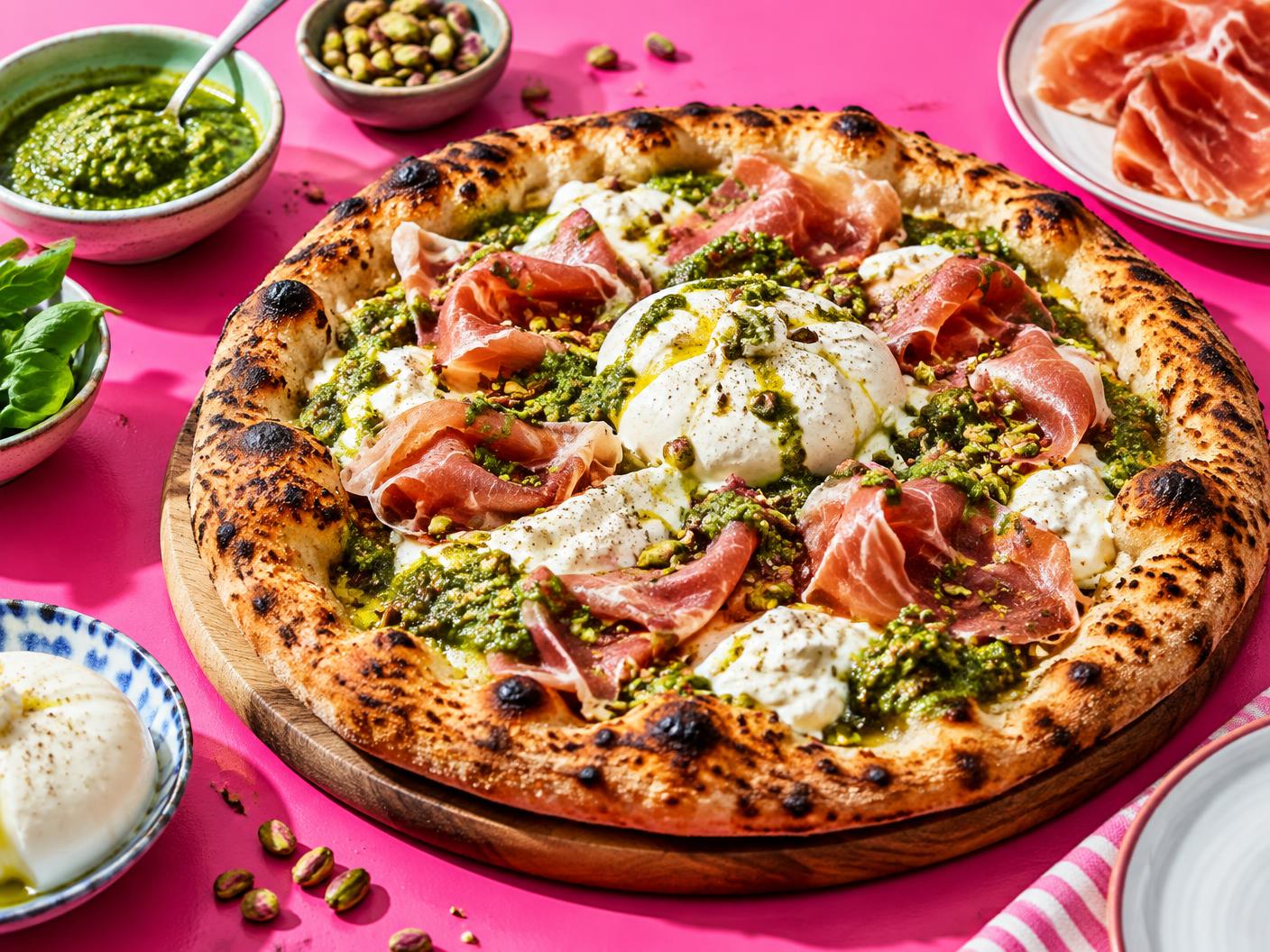
How our pistachio, burrata and prosciutto pizza went from a good idea to a recipe worth publishing.
Fresh recipes, ridiculous ideas and everything worth cooking over fire — straight from me.